
For solar array owners who participated in the SREC program — What happens when your 10-year SREC payments expire?
In this situation, your net metering credits from Eversource will continue, and in addition, you can consider transitioning to the Class 1 Renewable Energy Credits (RECs) program, which offers modest payments for the solar energy you produce.
Background
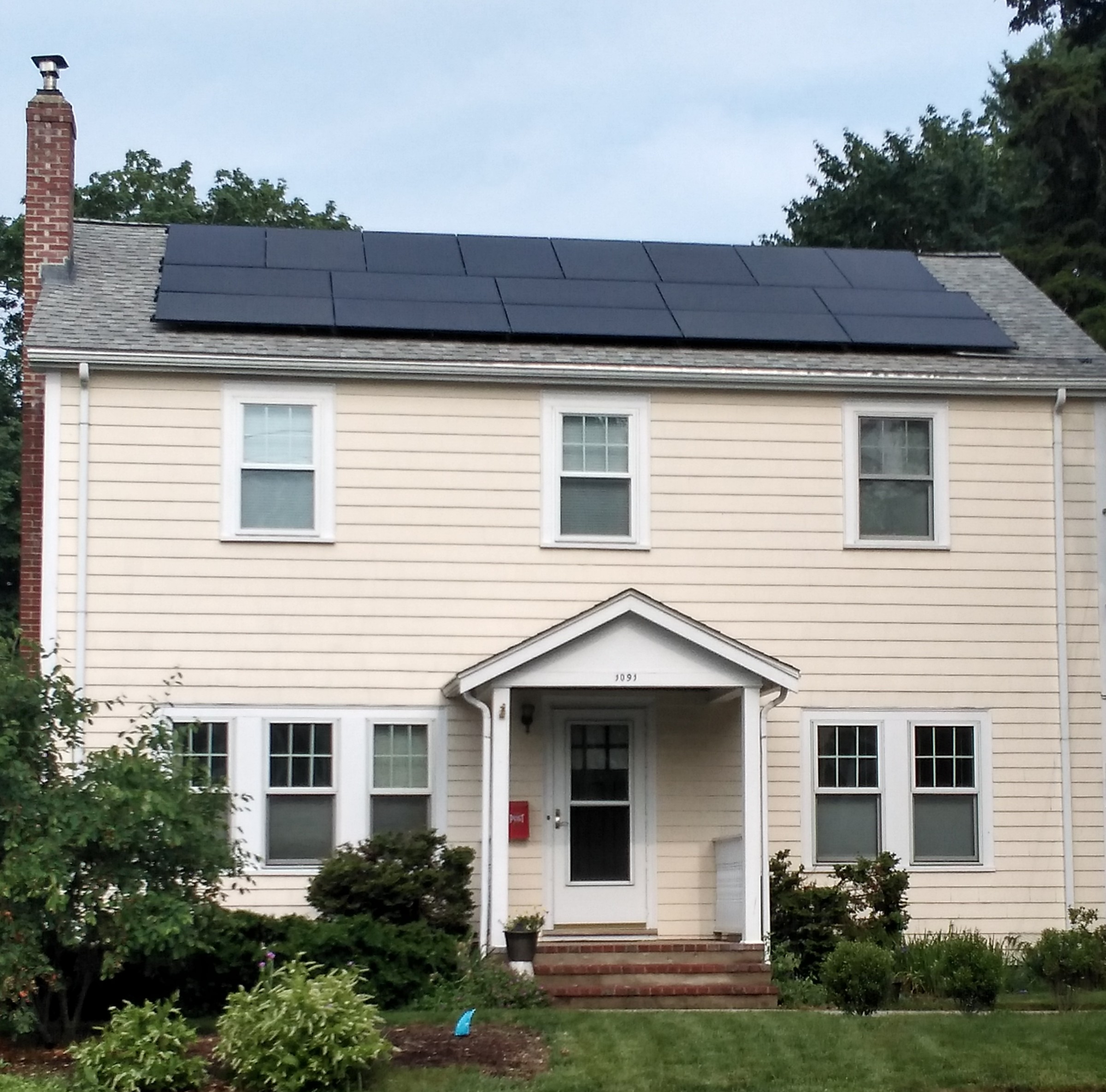 Those who own solar panels installed between 2010 and late 2018 were eligible to be enrolled in the state’s Solar Renewable Energy Credit (SREC) program and to receive payments for 10 years based on the amount of solar energy produced. Under this incentive program, the solar array generates one SREC for every 1,000 kilowatt hours of electricity it produces, so a system that produces 7,000 kilowatt hours per year would earn 7 SRECs annually. The installer, or an aggregator set up through the installer, sells these SRECs on the market and (after a cut is taken) pays the money to the owner. In the past few years, the SRECs have been selling for about $220-$240 each.
In 2014, the Town’s successful Solarize Needham program, with the support of Green Needham, partnered with Astrum Solar, resulting in the installation of more than 100 solar arrays. If you participated in this program, you likely received a letter from Astrum Solar/Omnidian in 2025 informing you that your 10-year SREC payments are expiring. They explained that you are eligible to enter the Class 1 Renewable Energy Credits (RECs) program, but 1) those RECs have a much lower value than the SRECs, and 2) Astrum Solar will not continue to manage and sell the RECs (act as your aggregator).
A Green Needham member who was in this situation has gone through the process of finding a new aggregator and signing up for the Class 1 REC program. We have added an SRECs page to the Green Needham website with details about how to make this transition.
How much will you get from your RECs? At the current rate, each Class 1 REC (representing 1,000 kilowatt hours of electricity) will result in a payment to the owner of about $30. For a small system which produces about 3,000 kilowatt hours/year, this would net about $90 each year. For a larger system that produces 6,000 or 7,000 kilowatt hours or electricity per year, the payments would add up to about $180 or $210 per year. See Green Needham’s SRECs page for more information.
