
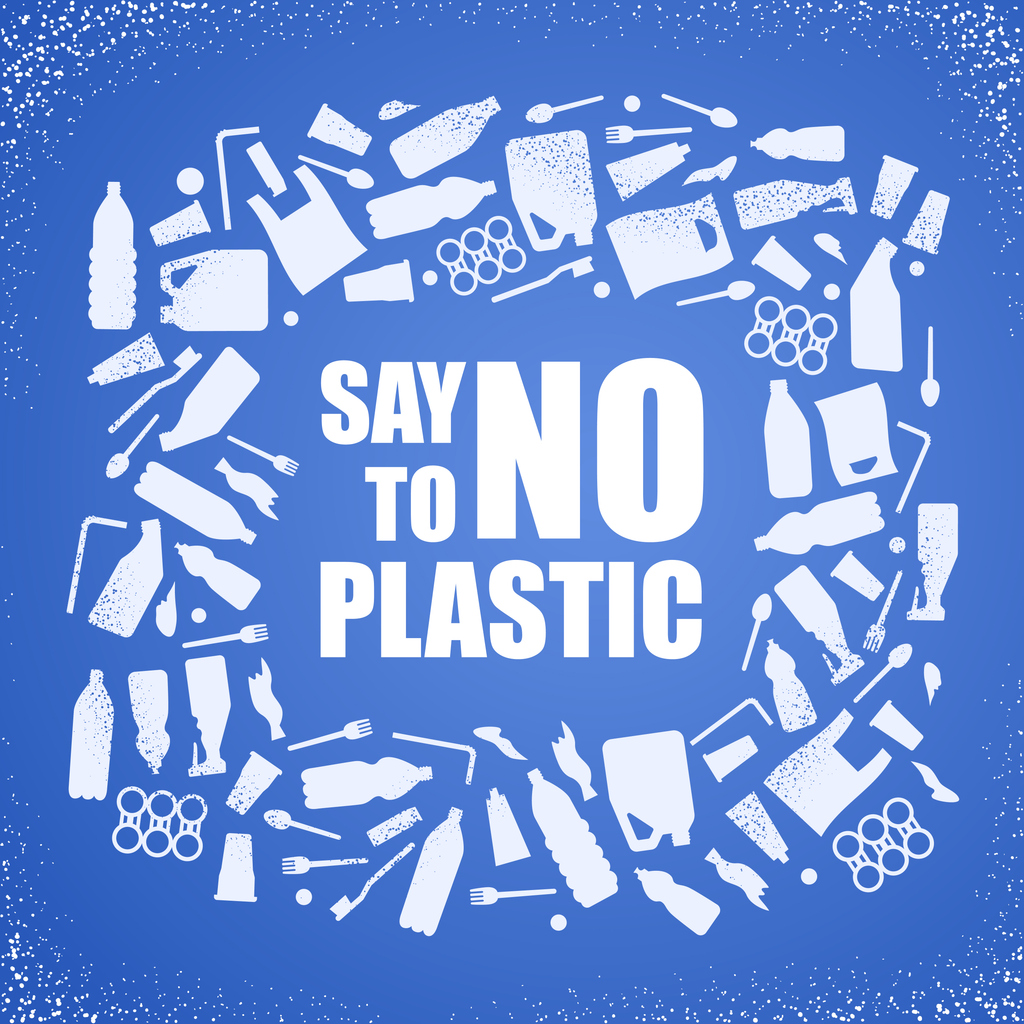
 Please join Green Needham and NHS junior Gavi Grappo by showing your support for the Mass Ready Act (S. 3050). Gavi is championing this bill as part of the Needham High School Civics engagement project. Although this comprehensive bill covers several important issues including environmental protection, infrastructure, food security, and housing, we’re especially encouraged by the strong plastic reduction language contained in the bill.
Details About the Bill
The Mass Ready Act is an environmental bond bill that includes state-wide plastic reduction policies, and aims to standardize anti-plastic measures that many cities and towns, like Needham, have already implemented. The bill would remove single-use plastic bags from retail stores; allow plastic utensils and straws to be given to consumers only upon request; prohibit single-use plastic bottle purchases by state agencies, except in emergency situations; and require the Department of Environmental Protection (DEP) to establish a statewide bulk plastic recycling program for products such as car seats. More broadly, it aims to strengthen infrastructure, restore natural ecosystems, reform environmental permitting, and prepare communities for extreme weather disasters. You can find more details about the bill here, or you can read the full bill here: Mass Ready Act, S.3050
Where Does the Bill Stand?
Championed by our state Senator, Becca Rausch, the bill was passed by the Massachusetts Senate on April 15th, 2026, in a definitive vote of 36-3. It is now in the House of Representatives, waiting to be brought to the floor.
Who to Contact?
Contact our State Representative, Josh Tarsky, and ask him to encourage the Speaker of the House to bring the bill to the floor.
State Representative – Joshua Tarsky Need an outline of what to say?
Email: Joshua.Tarsky@mahouse.gov
Phone: (617) 722-2582
A Note from Gavi
Hi, my name’s Gavi Grappo, and as a 17-year-old, I have overwhelming concerns about global warming and our environment. Addressing the plastics crisis is important to me because it affects human health, all species of animals & insects, our environment, and our symbiotic relationship with nature’s resources.
Plastics break down into micro and nano plastics, which can be ingested through food, air, and water. The toxic chemicals produced during plastic production cause harm to the environment and human health. My hope for the future is a sustainable, plastic-limited lifestyle that places wildlife wellbeing and environmental preservation at the forefront. With the interest and support of all generations, I remain optimistic that we can reduce the popularity of single-use plastics and mitigate the impacts of climate change.
Submitted by Gavrielle Grappo and Kathy Raiz
